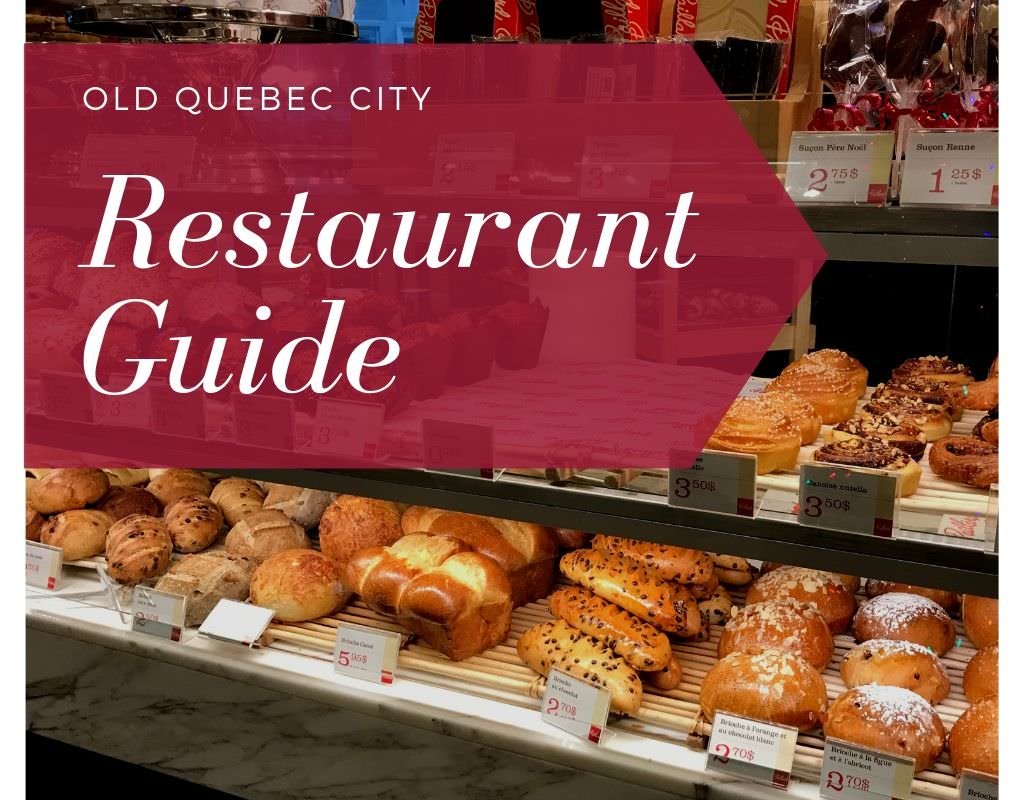
If you're truly seeking to understand Quebec's heart, you'll find it simmering in the rich, comforting dishes served at its traditional Quebec food restaurants. These aren't just eateries; they're cultural touchstones, preserving centuries of French-Canadian heritage through recipes passed down through generations. Stepping into one is less about dining and more about time travel, offering a tangible connection to the province's rustic past and its vibrant present.
At a Glance: Your Guide to Authentic Quebecois Eateries
- Beyond Poutine: Discover the full breadth of traditional dishes, from tourtière to pouding chômeur.
- City vs. Country: Understand the distinct culinary personalities of Montréal's urban innovation and Québec City's historic charm.
- Choosing Your Experience: Learn how to pick the right restaurant, whether you crave a classic diner, a refined bistro, or a rustic sugar shack.
- What to Expect: Prepare for hearty portions, seasonal ingredients, and a warm, often family-like atmosphere.
- Making the Most of Your Visit: Get tips for navigating menus and savoring every bite of your French-Canadian culinary journey.
The Enduring Appeal of French-Canadian Comfort Food
Quebec's culinary identity is a fascinating blend of resilience, resourcefulness, and a deep appreciation for good, hearty fare. Born from the necessity of long, cold winters and the bounty of the land, traditional Quebecois cuisine emphasizes robust flavors, rich sauces, and ingredients that truly satisfy. This isn't fussy food; it's food designed to nourish the soul, cooked with passion, and often enjoyed communally.
While dishes like poutine have gained international fame, they represent just one facet of a much deeper culinary tradition. From savory meat pies to sweet maple desserts, the essence lies in celebrating local produce and time-honored techniques. To truly appreciate this rich tapestry, it helps to understand the broader context of Quebec's unique culinary blend, which seamlessly marries rustic comfort with French finesse. For a deeper dive into the foundational elements of this remarkable food culture, Taste Quebec's unique culinary blend.
When seeking out these establishments, you're not just looking for a meal; you're engaging with a piece of living history. These traditional Quebec food restaurants act as custodians of a culture, offering a menu that tells the story of a people, their land, and their unwavering spirit.
Navigating the Culinary Landscape: Montréal vs. Québec City
While both of Quebec's major cities boast incredible traditional Quebec food restaurants, they each offer a distinct flavor profile and dining atmosphere. Understanding these differences can help you tailor your culinary journey.
Montréal: Innovation Meets Tradition
Montréal, a dynamic metropolis, often sees traditional dishes reimagined through a modern lens. Here, you'll find chefs who respect heritage while pushing boundaries, using classic ingredients in innovative ways or elevating rustic concepts to gourmet heights.
- Au Pied de Cochon: This is where traditional Quebecois cuisine gets its rockstar treatment. Chef Martin Picard's famed restaurant is not for the faint of heart; it's an ode to excess and flavor. His signature foie gras poutine—a lavish concoction of duck fat fries, cheese curds, gravy, and seared foie gras—exemplifies Montréal's ability to take a humble dish and turn it into a luxurious experience. The menu shifts with local products, but the commitment to rich, decadent Quebecois flavors remains constant. It's a culinary adventure, not just a meal.
- La Binerie (Plateau Mont Royal): For a more unpretentious, old-school experience, La Binerie is a local institution. Established in 1938, it's the kind of place where history permeates every corner. Here, you’ll find classic pâté chinois (Shepherd's pie with a Quebecois twist, often featuring canned corn), homemade creton (a pork spread similar to rillettes), and tourtière served year-round. It’s a no-frills, authentic dive into everyday Quebecois comfort food, beloved by locals.
- La Part des Anges (Rosemont, near Promenade Masson): If you're intrigued by how tradition can evolve, La Part des Anges offers a compelling vision. This restaurant takes Quebec's culinary roots and filters them through a contemporary, sustainable lens. Expect thoughtfully sourced local ingredients in dishes like candied rabbit legs with apple chutney or creative squash preparations. Even their cocktail menu champions local spirits, showcasing a holistic commitment to Quebecois products and innovation. It’s an ideal spot to see the future of Quebecois cuisine.
- Labarake Caserne à Manger: Housed in a beautifully repurposed historic fire station, Labarake perfectly embodies Montréal's knack for blending old and new. Its brasserie-style menu offers familiar comforts with a modern twist. You'll find classics like AAA Angus certified steak & frites alongside inventive dishes like Pernod flambéed shrimp with black rice. It's a testament to how traditional Quebec food restaurants can adapt, offering both a nod to the past and a taste of contemporary flair in a vibrant setting.
Québec City: Historic Flavors, Timeless Charm
Québec City, with its fortified walls and cobblestone streets, often leans into the more traditional and historic aspects of Quebecois cuisine. Here, you'll find restaurants deeply rooted in the province's heritage, some even housed in buildings dating back centuries, offering a truly immersive experience.
- Aux Anciens Canadiens: This restaurant offers one of the most evocative dining experiences in Québec City. Located in the city's oldest house, dating back to 1675, it’s like dining in a living museum. The menu expertly balances traditional Québécois staples with classic European influences, reflecting the historical culinary landscape. You might find salmon koulibiac or beef Wellington alongside bison bourguignon or caribou from Quebec’s Great North. It’s a refined way to experience the historical breadth of the cuisine in an unforgettable setting.
- Buffet de l’Antiquaire (Old Port): For a genuine taste of Québec City's working-class culinary history, Buffet de l’Antiquaire is a must-visit. This diner-style institution in the Old Port is famed for its authentic, hearty dishes, particularly its meatball stew (ragoût de boulettes). The stew is a masterclass in subtle spice, flavored with cinnamon, mace, marjoram, sage, and clove—a true representation of traditional lower St. Lawrence regional cooking. It’s simple, unpretentious, and utterly delicious.
- La Bûche (Tourist-friendly neighborhood): La Bûche taps into the nostalgic spirit of a sugar shack, bringing that rustic, celebratory vibe directly into the city. It's a fantastic place for visitors looking to experience popular and revisited Québec food traditions. Expect hearty, often maple-infused specialties, like their standout pouding chômeur (poor man's pudding), which oozes maple syrup and is sometimes topped with crispy bacon. It's lively, fun, and offers a modernized take on classic comforts.
- Les Ancêtres restaurant (Île d’Orléans terroir): Just a short drive from Québec City, on the picturesque Île d’Orléans, Les Ancêtres offers a deep dive into local terroir. This restaurant is all about celebrating the island's unique bounty, featuring foraged and wild foods alongside traditional and modern preparations. With a terrace boasting stunning views of the Île d’Orléans Bridge and Montmorency Falls, it’s an experience that connects you directly to the land and its seasonal offerings. It's proof that traditional Quebec food restaurants can also be a destination for scenic beauty.
The Quintessential Quebecois Dishes to Seek Out
Beyond poutine, a rich tapestry of flavors awaits. When visiting traditional Quebec food restaurants, here are some must-try items:
- Tourtière: A savory meat pie, typically filled with pork, beef, or game, often spiced with cinnamon and cloves. Its origins are deeply rooted in French-Canadian tradition, especially around holidays.
- Pâté Chinois: Quebec's version of Shepherd's pie, featuring a layer of ground meat, topped with creamed corn, and crowned with mashed potatoes. Simple, comforting, and utterly satisfying.
- Ragoût de Boulettes: A meatball stew, often prepared with a rich brown gravy and distinct spices like cinnamon and cloves, a staple particularly in Québec City and surrounding regions.
- Creton: A traditional pork spread, often served for breakfast or as a snack with toast. It's flavorful and rustic, a true taste of home for many Quebecers.
- Pouding Chômeur: "Poor Man's Pudding." This ingenious dessert features a cake-like batter baked in a rich maple or brown sugar syrup. It emerges from the oven delightfully sticky and sweet.
- Tire sur la neige: While typically a sugar shack experience, some restaurants might offer a version. Hot maple syrup poured onto fresh snow, then rolled onto a stick to create a pliable, taffy-like treat.
- Fèves au Lard: Baked beans, slow-cooked with salt pork and often maple syrup, a hearty breakfast or side dish.
The Sugar Shack Experience: Sucrerie de la Montagne
No discussion of traditional Quebec food restaurants is complete without mentioning the sugar shack, or "cabane à sucre." These unique establishments offer a full immersion into Quebec's maple syrup heritage.
- Sucrerie de la Montagne (40 minutes west of Montréal): This UNESCO recognized site offers an authentic, rustic sugar shack experience year-round. It's more than just a meal; it's a step back in time. Guests are treated to an all-you-can-eat feast of traditional Quebecois dishes: pea soup, baked beans, tourtière, ham, sausages, eggs, and, of course, a deluge of maple-infused desserts, all served family-style. The experience often includes live music, sleigh rides (in winter), and a visit to the maple forest for tire sur la neige. It’s an essential, communal, and incredibly delicious part of the Quebecois food story.
Choosing to visit a sugar shack like Sucrerie de la Montagne isn't just about eating; it's about participating in a cherished cultural ritual that speaks volumes about Quebec's connection to its land and traditions.
Your Practical Playbook for Savoring Quebec's Culinary Heritage
To make the most of your adventure through traditional Quebec food restaurants, consider these practical tips:
- Define Your Vibe: Are you seeking a quiet, historic setting, a lively urban bistro, or a rustic communal feast? Your preference will guide your choice between, say, Aux Anciens Canadiens and La Bûche.
- Research Menus in Advance: Many traditional dishes use specific spices or preparation methods that might be unfamiliar. A quick look online can help you identify what you'd like to try or if any dietary concerns might arise.
- Embrace the "Plat du Jour": Some smaller, more traditional spots might offer a daily special that highlights seasonal ingredients or a particular chef's expertise. It's a great way to try something authentic and fresh.
- Consider Reservations: Popular spots, especially in tourist areas like Old Québec or during peak season, can get very busy. A reservation ensures you won't miss out.
- Don't Be Afraid to Ask: If you're unsure about an ingredient or a dish, friendly staff at traditional Quebec food restaurants are often happy to explain. This can enrich your understanding and enjoyment of the meal.
- Pace Yourself: Quebecois portions tend to be generous. If you want to try multiple dishes, consider sharing or ordering smaller plates if available.
- Explore Beyond the Tourist Zones: While the city centers have excellent options, venturing slightly off the beaten path (like to La Binerie in the Plateau) can often reveal hidden gems offering more local, unpretentious experiences.
- Pair with Local Beverages: Many traditional Quebec food restaurants feature local beers, ciders, or even spirits. Ask for recommendations to complement your meal.
Quick Answers: Common Questions About Traditional Quebecois Food
Q: Is traditional Quebecois food very heavy?
A: Many dishes are hearty and comforting, designed to sustain during cold winters. While rich, they are also incredibly flavorful and satisfying. You can often find lighter options or balance richer dishes with fresh salads or vegetable sides where offered.
Q: Can I find vegetarian or vegan options at traditional Quebec food restaurants?
A: Historically, Quebecois cuisine is meat-centric. However, modern establishments, especially in Montréal like Labarake Caserne à Manger, are increasingly offering vegan platters and more diverse menus. It's always best to check the menu online or call ahead, especially for smaller, older establishments.
Q: What's the best time of year to experience Quebecois food?
A: Each season offers unique advantages. Fall brings harvest ingredients, winter is perfect for hearty stews, and spring is maple syrup season at the cabanes à sucre. Summer offers fresh produce and pleasant patio dining. There’s no bad time, but your experience will vary.
Q: Is poutine the only thing Quebec is known for?
A: Absolutely not! While famous, poutine is just one dish. Traditional Quebec food restaurants offer a vast array of savory pies, stews, cured meats, and delicious desserts that represent a much deeper culinary heritage. Exploring these other dishes is key to understanding the true breadth of Quebecois cuisine.
Q: Are these restaurants expensive?
A: Prices vary widely. Diner-style spots like La Binerie or Buffet de l’Antiquaire are generally very affordable. Upscale establishments like Au Pied de Cochon or Aux Anciens Canadiens will be more expensive, reflecting their gourmet offerings and unique settings. Many fall in a comfortable mid-range.
Charting Your Authentic Culinary Course
Embarking on a culinary tour of Quebec's traditional food scene is a deeply rewarding experience. It's about more than just satisfying hunger; it's about connecting with a unique heritage, tasting history in every bite, and understanding the soul of a vibrant culture. Whether you opt for a bustling Montréal bistro that reinvents the classics or a historic Québec City eatery that preserves time-honored recipes, you're guaranteed a memorable journey. So, go forth, explore, and let the rich, comforting flavors of traditional Quebec food restaurants guide your way.